Gloves & Socks for Chemo Cold Sensitivity
Disclosure: this page contains affiliate links (Amazon). As an Amazon Associate we earn from qualifying purchases, at no extra cost to you. Educational content only, not medical advice.
If you are on oxaliplatin, you probably already know the moment: you open the freezer, or take a sip of something cold, and your fingertips or throat light up with a sharp, electric tingle. Gloves and socks won’t change what the drug is doing to your nerves. What they do is stop you walking into the same trigger twenty times a day, and during treatment that is worth a lot.
This page covers which gloves and socks are worth having, where to keep them, and the one kind of “warm” product we would steer you away from.
Two different problems: the cold flare and the lasting numbness
It helps to separate them. The cold-triggered tingling with oxaliplatin is usually acute: it starts during or shortly after an infusion and tends to settle within days, then comes back with the next cycle. The longer-lasting numbness and tingling that can build up over several cycles is a different thing, and that is the part that can take months to improve after treatment ends. Gloves are mostly about the first problem. Protecting numb hands and feet from injury is about the second.
What to look for in gloves
- Thin and warm. Merino or a fleece lining keeps the cold off without turning you into someone who can’t open a jar. Thick ski gloves stay in the drawer.
- Full fingertips. Fingerless styles leave the most sensitive part exposed.
- Loose at the wrist. Tight cuffs are uncomfortable on sensitive skin and slow you down.
- Washable. You will wear them daily for weeks.
Our honest pick for most people is a couple of pairs of thin merino liner gloves, not one expensive pair. The point is to have them where the cold is.
What we would buy
We link to Amazon searches rather than single products, so you can compare what is in stock and check current prices yourself.
| Item | Why it helps | What to check | Browse |
|---|---|---|---|
| Thin merino liner gloves | Everyday cover for the fridge, the sink and door handles | Full fingertips, soft seams, machine-washable | See liner gloves on Amazon |
| Insulated freezer gloves | Longer contact with frozen food without the shock | Lined, easy to pull off, not too stiff to grip | See freezer gloves on Amazon |
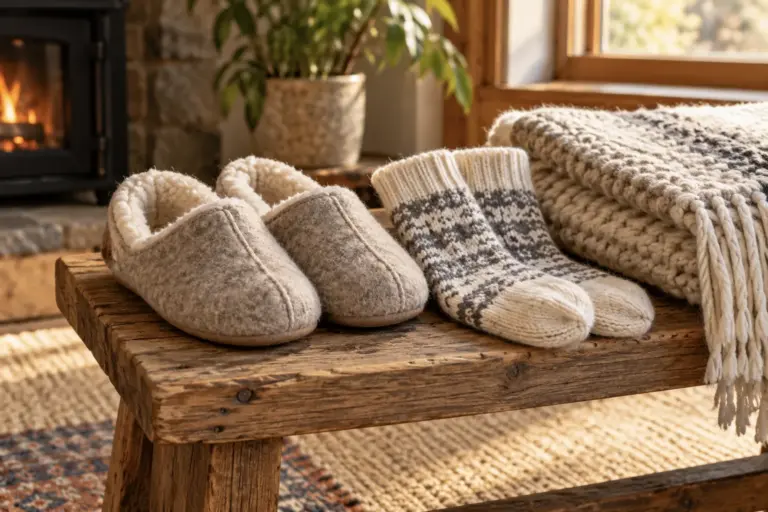
| Seamless, non-binding socks | Warm feet without pressure on sensitive skin | No toe seam, loose top, light colour so you can spot blood or fluid | See seamless socks on Amazon |
| Slipper socks with grip soles | Warmth at home plus better footing if your feet feel “far away” | Rubber grip across the whole sole, not just dots | See grip socks on Amazon |
| Insulated cup or cup sleeve | Lets you hold a cool drink without touching the cold surface | Easy to hold, dishwasher-safe | See cup sleeves on Amazon |
Where to keep them
Keep one pair of gloves on top of the fridge and another by the front door. A spare pair in the car saves a lot of grief in winter. It sounds fussy; after the first week most people stop noticing they do it.
Socks and feet
Chemo neuropathy often reaches the feet too. The sock features that matter for diabetic neuropathy apply here: no seams, nothing tight at the ankle, cushioning under the ball of the foot. Our sock guide goes into those in more detail, and most of it holds even if you don’t have diabetes.
Food and drink
Some people on oxaliplatin find cold drinks and ice cream trigger throat tightness or discomfort when swallowing, especially in the first days after an infusion. Letting drinks reach room temperature and skipping ice around infusion days is a simple thing to try. If swallowing or breathing ever feels genuinely difficult, tell your oncology team straight away rather than waiting for the next appointment.
What to look for, and where to compare
| Item | Why it helps | Look for | Shop |
|---|---|---|---|
| Thin liner gloves | Handling cold food and fridge items, indoors and out | Soft, seam-light, touchscreen fingertips | Amazon |
| Insulated winter gloves | Going outside in cold weather | Warm lining, easy to pull on with numb fingers | Amazon |
| Merino wool socks | Warm without bulk, manage moisture | Non-binding top, smooth toe | Amazon |
| Insulated drink tumbler | Avoids touching icy glasses; keeps drinks room temperature | Easy-grip, lid, handle | Amazon |
We link to Amazon search results rather than single products so you can compare current options and prices, which change often. Avoid electric heated gloves or socks on numb skin unless your care team agrees: you may not notice if they get too hot. For everyday foot protection, see our guide to seamless, non-binding socks.
Frequently Asked Questions
Does cold sensitivity mean my neuropathy is getting worse?
Not by itself. The cold flare with oxaliplatin is expected and usually settles between cycles. Numbness or tingling that stays between cycles, or problems with buttons, writing or walking, are what your team will want to hear about, because they may adjust your treatment.
How long does cold sensitivity last?
The acute cold flare usually eases within days of each infusion. Longer-lasting neuropathy symptoms can take months to improve after treatment finishes, and sometimes don’t fully go. Our recovery timeline article covers that side.
Are heated gloves a good idea?
Not if your fingers are numb. Plain insulated gloves give you most of the benefit without the burn risk.
Should I avoid cold drinks during treatment?
Many people do around infusion days. It’s a comfort choice, not a rule, so ask your team if you’re unsure.
Related: neuropathy exercises for hands.
What to Read Next
- Coping with chemo neuropathy in hands and feet
- Best socks for diabetic neuropathy
- What is chemo-induced peripheral neuropathy?
- Chemo drugs that cause neuropathy most often
Affiliate & medical disclosure: This article contains Amazon affiliate links; as an Amazon Associate we earn from qualifying purchases, at no extra cost to you. Prices and availability change, so check them on Amazon. This article is educational only and not medical advice; follow your oncology team’s guidance. See our affiliate disclosure and medical disclaimer.