Coping With Chemo Neuropathy
Disclosure: this page contains affiliate links (Amazon). As an Amazon Associate we earn from qualifying purchases, at no extra cost to you. Educational content only, not medical advice.
Coping with chemo neuropathy in your hands and feet day to day is often more about small, practical adjustments than any single fix. Numbness, tingling, or pain can make ordinary tasks — buttoning a shirt, gripping a pen, walking on uneven ground — noticeably harder while treatment is ongoing and for some time after.
Protecting Hands and Feet From Injury
Reduced sensation means you can be cut, burned, or bruised without feeling it right away. A few habits make a real difference:
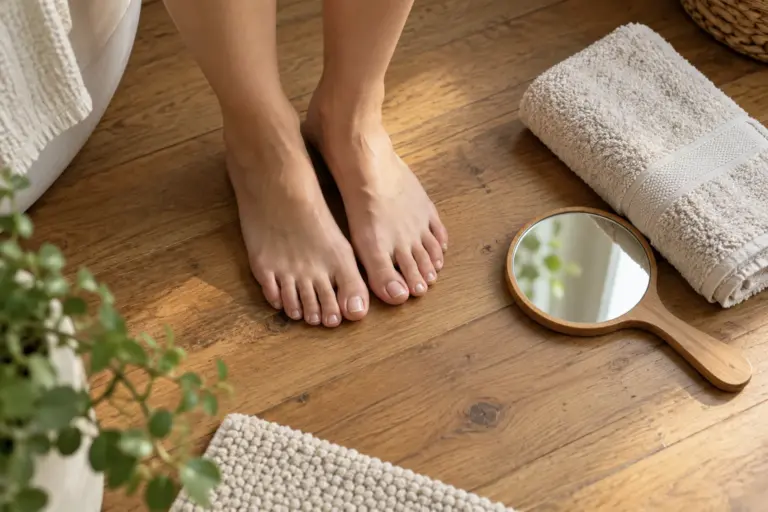
- Check hands and feet visually each day for cuts, blisters, or bruises you didn’t feel happen.
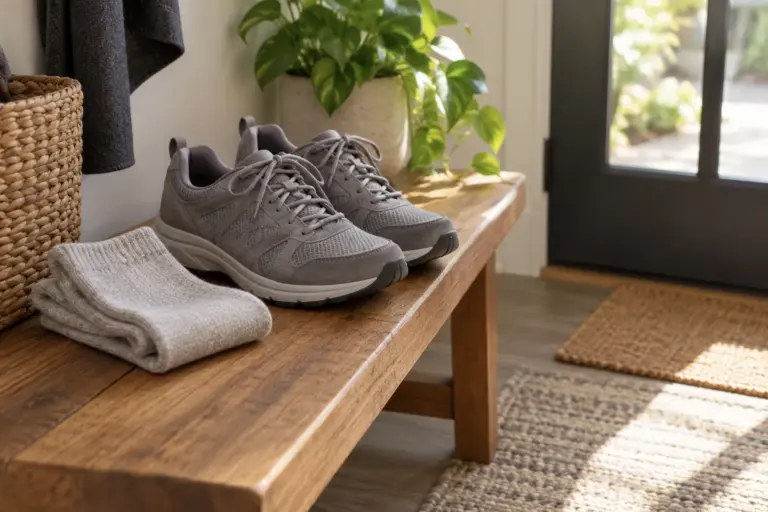
- Wear well-fitting, closed shoes rather than going barefoot, even indoors (our guide to shoes for neuropathy covers what to look for).
- Use oven mitts and test water temperature with a part of your body that still has full sensation before using numb hands.
- Take extra care with sharp kitchen tools and gardening equipment.
Making Daily Tasks Easier
Fine motor tasks — buttons, zips, jar lids, shoelaces — are often the first things people notice getting harder. Adaptive tools are not giving in. They let you keep doing things yourself while your nerves recover. The three we would start with are cheap and easy to find: a button hook with a zip pull, an under-cabinet jar opener that does the gripping for you, and a bath thermometer, because numb fingers are bad judges of hot water. Occupational therapists who work with cancer patients can suggest options specific to your situation — ask your oncology team for a referral if this is a significant daily struggle.
Managing Cold Sensitivity
If you’re on oxaliplatin or notice cold triggers symptoms, avoiding cold drinks, wearing gloves when handling anything from the fridge or freezer, and dressing warmly in cold weather will spare you a lot of flare-ups. See our dedicated guide on managing cold sensitivity during chemo.
Balance and Falls
Numb feet make it harder to sense the ground, which raises fall risk — particularly on stairs, uneven surfaces, or in low light. Using a handrail, keeping walkways clear, and good lighting at home are dull changes, and they work. Night lights between the bedroom and the bathroom are the one most people wish they had fitted sooner.
Emotional Side of It
It’s genuinely frustrating to lose fine motor control or feel unsteady on your feet, especially on top of everything else cancer treatment involves. That frustration is a normal response, not something to push through silently — mentioning it to your care team can open the door to practical support, from physical therapy to simply having someone acknowledge how hard this part is.
Frequently Asked Questions
Will my hands and feet go back to normal?
Many people see significant improvement over months after treatment ends, though the pace and extent vary. See our full timeline in how long does chemo neuropathy last?
Is physical therapy worth trying?
For many people, yes — therapists experienced with CIPN can suggest exercises for balance, strength, and fine motor function. Ask your oncology team for a referral.
Should I stop doing tasks that are hard now?
Not necessarily — gentle continued use, with adapted tools where helpful, often supports function better than avoidance. Check with your care team if you’re unsure about a specific activity.
Related: gentle neuropathy exercises for hands.
What to Read Next
- What is chemo-induced peripheral neuropathy?
- Best gloves and socks for chemo cold sensitivity
- How long does chemo neuropathy last?
Affiliate & medical disclosure: This article contains Amazon affiliate links; as an Amazon Associate we earn from qualifying purchases, at no extra cost to you. This article is educational only and not medical advice. See our affiliate disclosure and medical disclaimer.